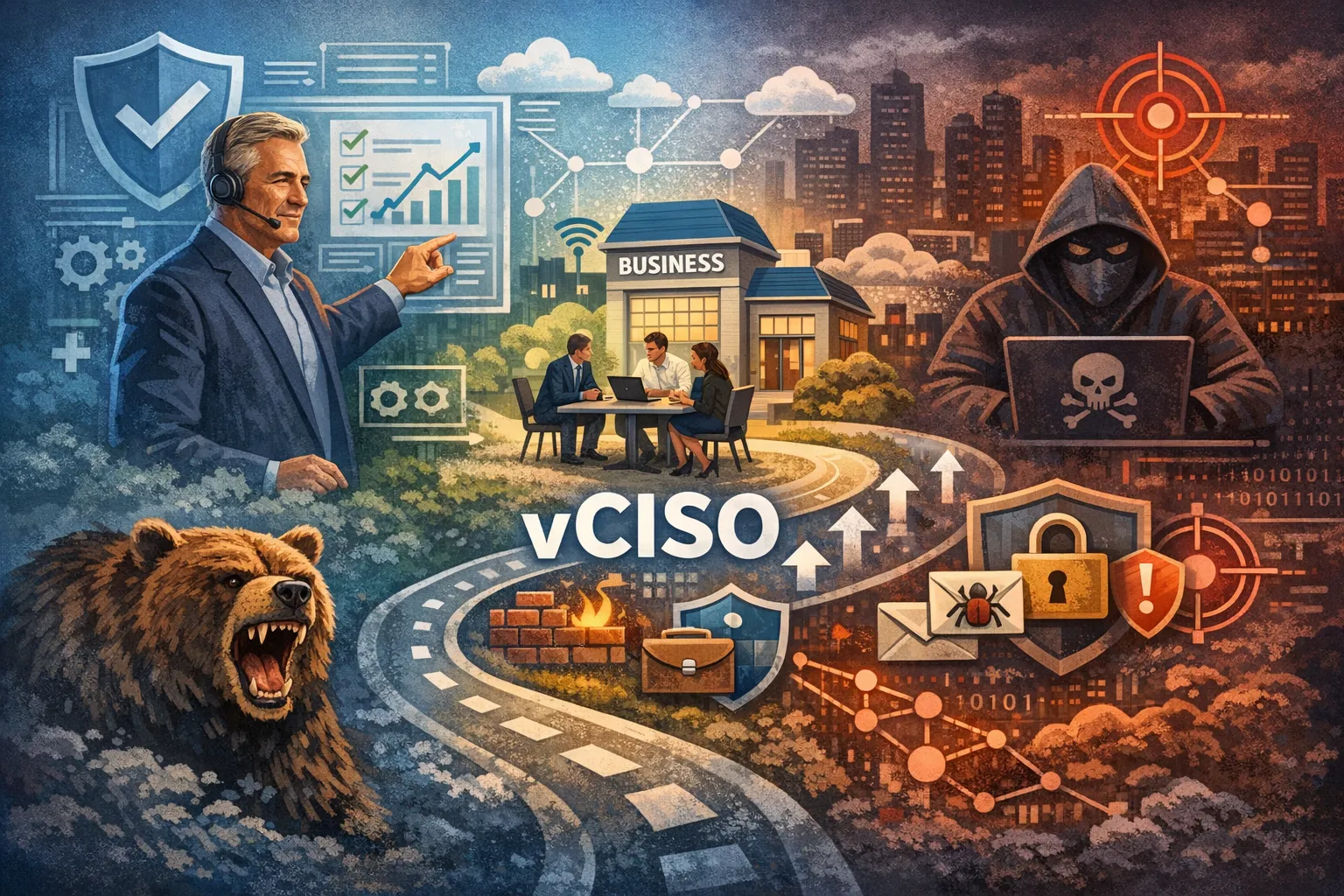
Why engage a vCISO?

Why Small and Mid-Sized Businesses Should Consider a vCISO If you run a small or mid-sized business, you’ve probably asked yourself a version of this question: “Do we really need a CISO?” The honest answer is: You need what a CISO does—not necessarily the full-time salary that comes with one. That’s where a vCISO (virtual Chief Information Security Officer) comes in. Security Is About Maturity, Not Magic Let’s start with a reality check. Cybersecurity isn’t about buying the right tool or hiring a “rockstar engineer.” It’s about process maturity and risk reduction over time. Good security...
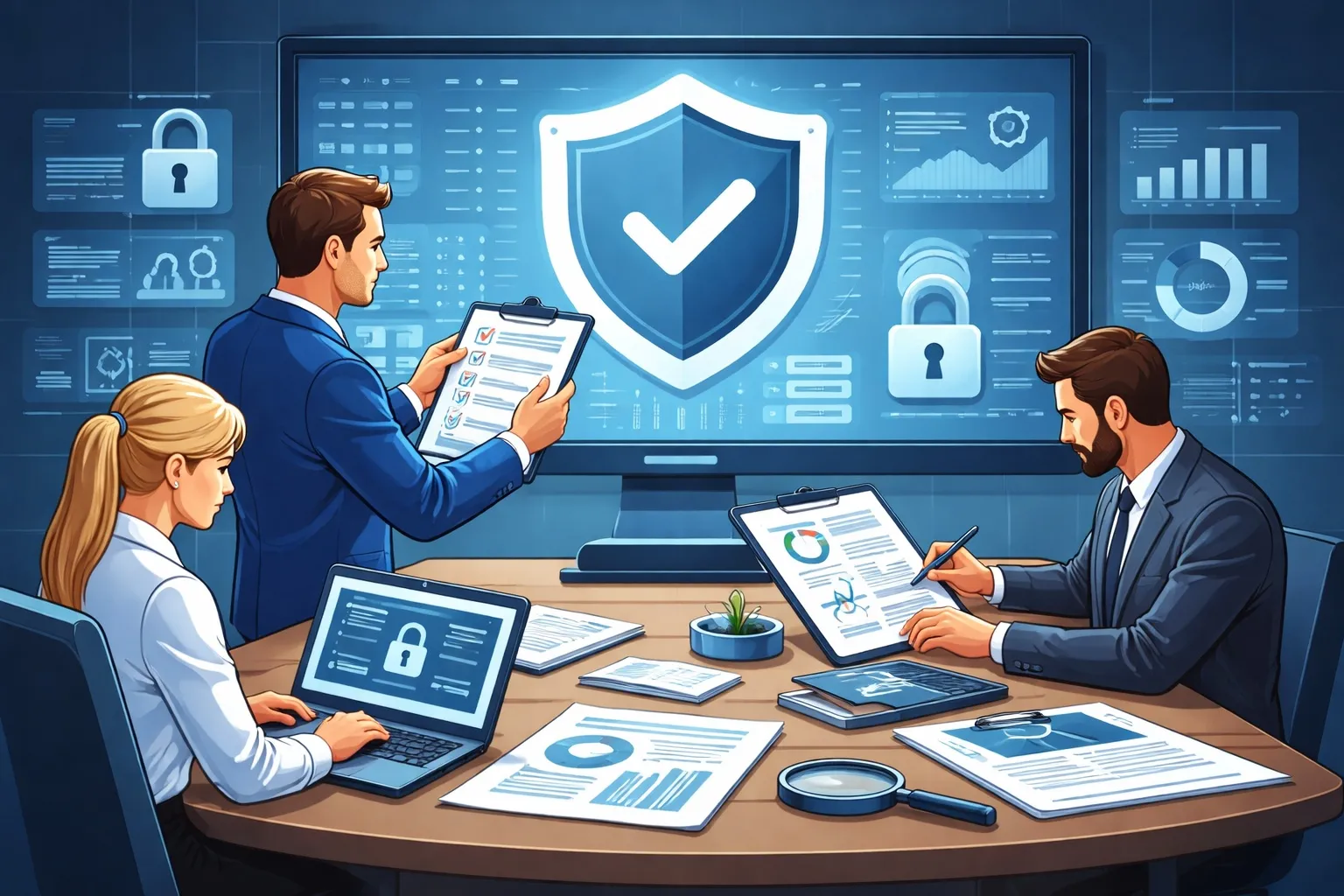
What Happens During a Cybersecurity Review?

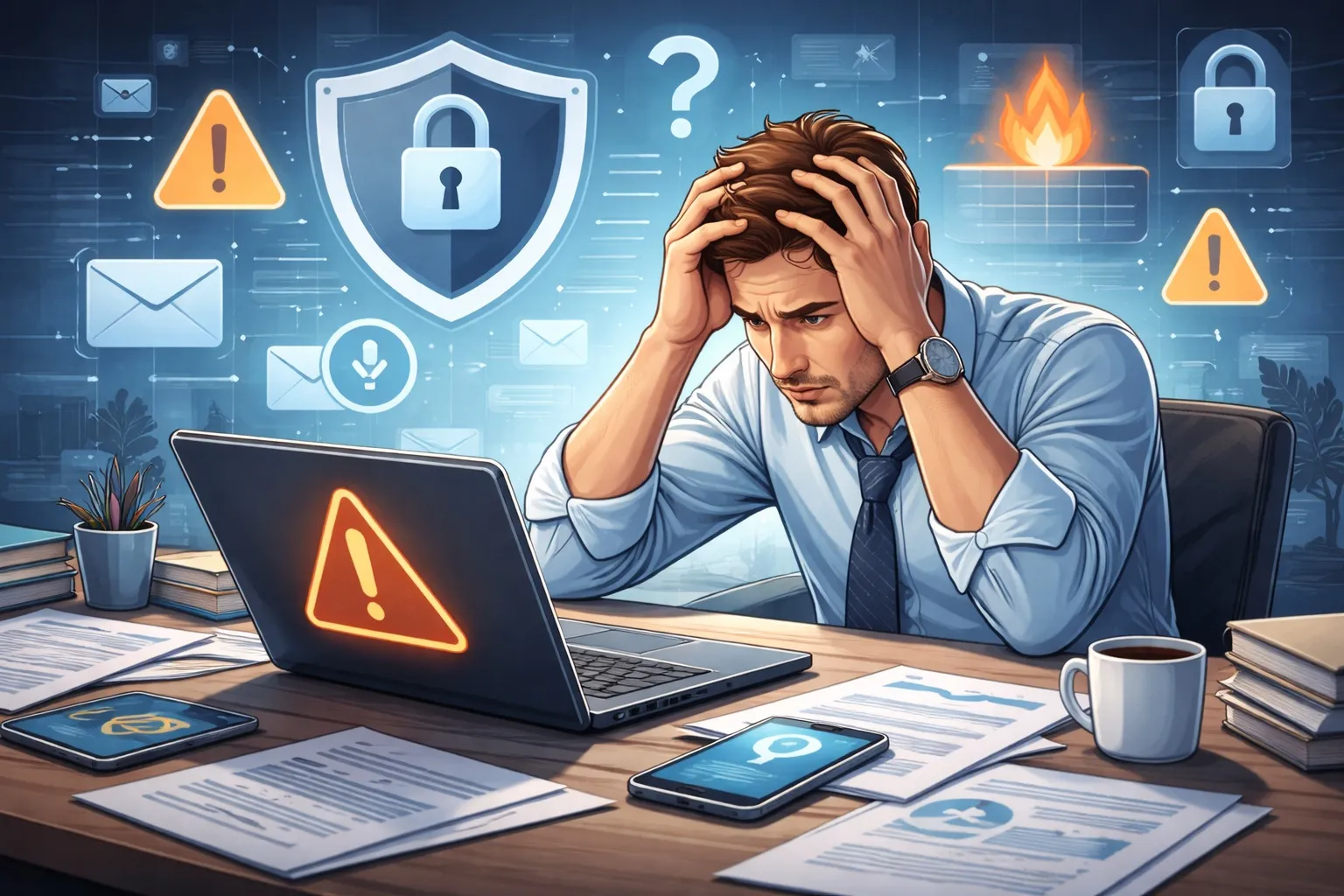
Cybersecurity can feel overwhelming. There are thousands of tools, vendors, and security products, and it is not always clear where organizations should focus their efforts. A cybersecurity review helps organizations step back and evaluate whether their current security posture is addressing the most important risks. Understanding Risk Exposure The review begins with understanding the organization’s risk profile. Important questions include: What types of data does the organization store? What systems are critical to operations? What would the impact of downtime or data loss be? Security...

Technology and Cybersecurity Reviews for Small and Mid-Sized Businesses in Hutchinson, Minnesota

Many organizations today rely on Managed Service Providers (MSPs) and Managed Security Service Providers (MSSPs) to operate their technology and security environments. These providers are essential partners, and they play a critical role in keeping systems running and protecting businesses from threats.

However, many companies still struggle with an important question:

Are we investing in the right technology and security priorities?

That’s where an independent technology and cybersecurity review can help.

How Email Security Actually Works: API vs SEG vs Inline Solutions

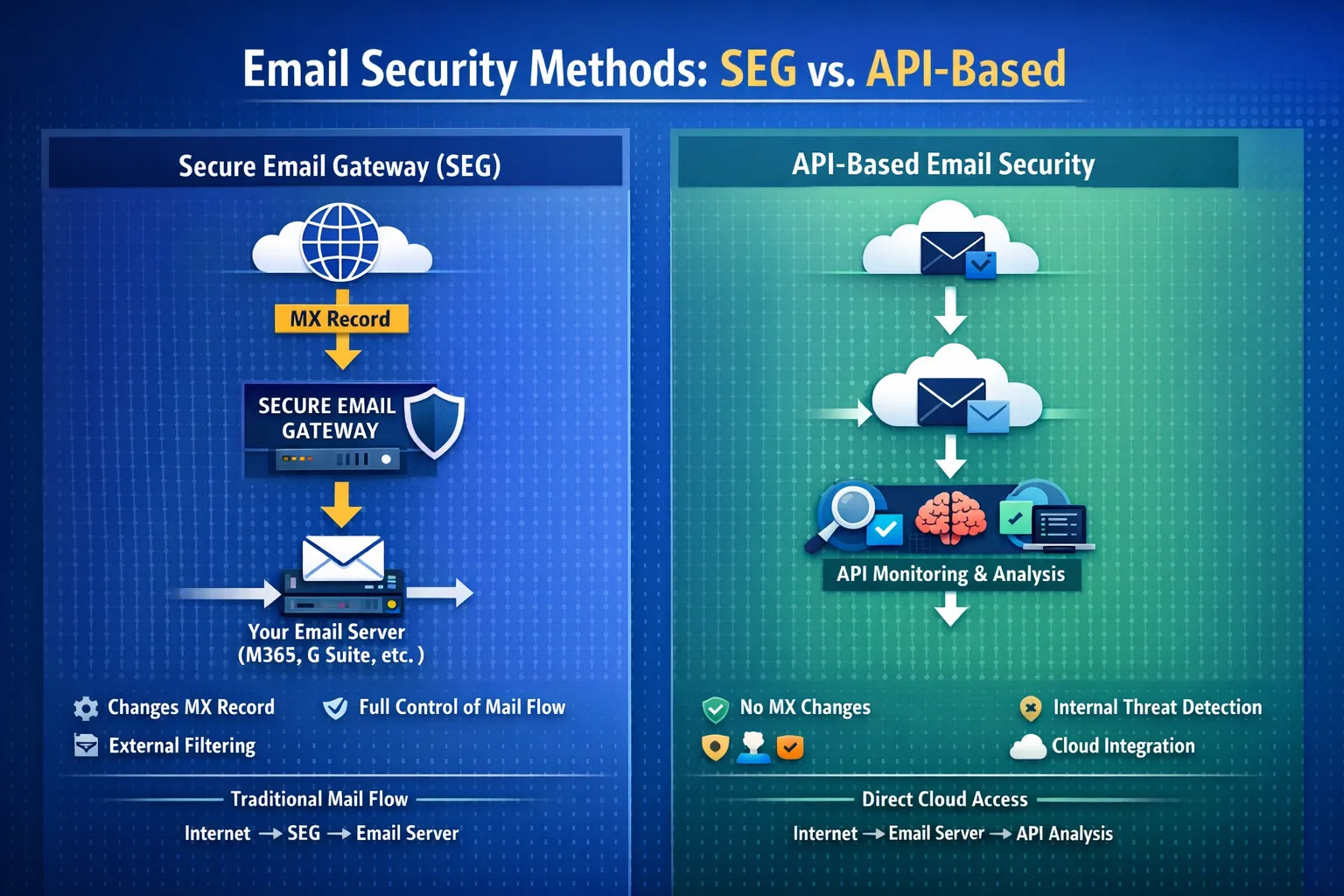
Email is still the #1 attack vector for most businesses. But when you start looking at email security products, it gets confusing fast: API-based tools Inline / journaling solutions Secure Email Gateways (SEG) They all “protect email”… but they work very differently. Understanding that difference is more important than the product you choose. The Three Main Types of Email Security There are three primary architectures: API-based email security Inline / journaling (hybrid API) Secure Email Gateways (SEG / MX-based) Let’s break them down. 1. API-Based Email Security Examples: Abnormal Security...

What’s the Difference Between Antivirus, Malwarebytes, EDR, and XDR?

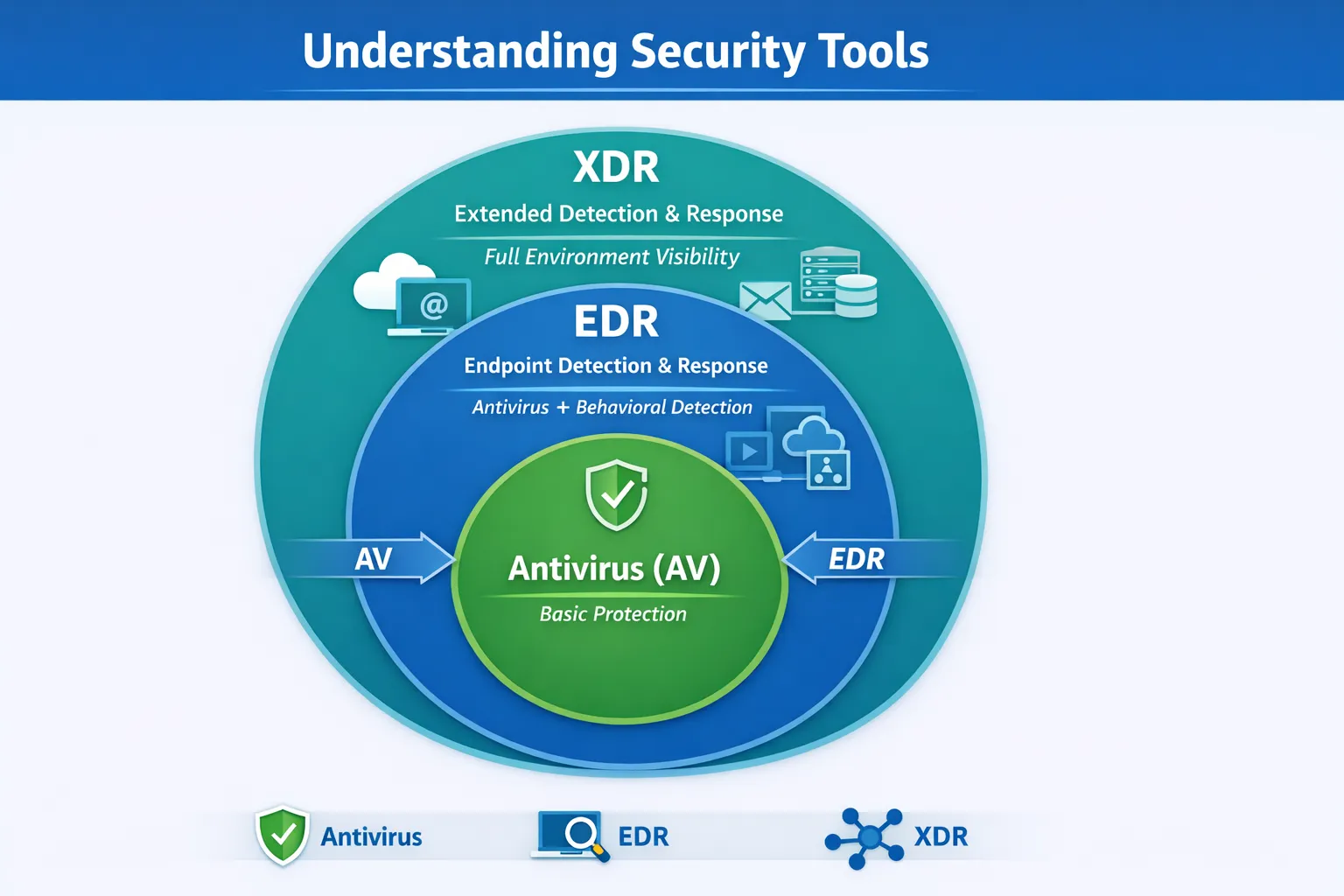
If you’ve looked into cybersecurity tools recently, you’ve probably seen terms like antivirus (AV), Malwarebytes, EDR, and XDR. They all “protect your systems”… but they’re not the same thing. Here’s a simple way to understand the differences—and how they fit together. Antivirus (AV): The Basics Antivirus is the traditional security tool most people are familiar with. It focuses on: detecting known malware blocking viruses and basic threats scanning files and downloads Examples: Microsoft Defender Antivirus (built into Windows) Bitdefender Norton McAfee Think of antivirus as your baseline...

What Does Cyber Insurance Actually Cover?

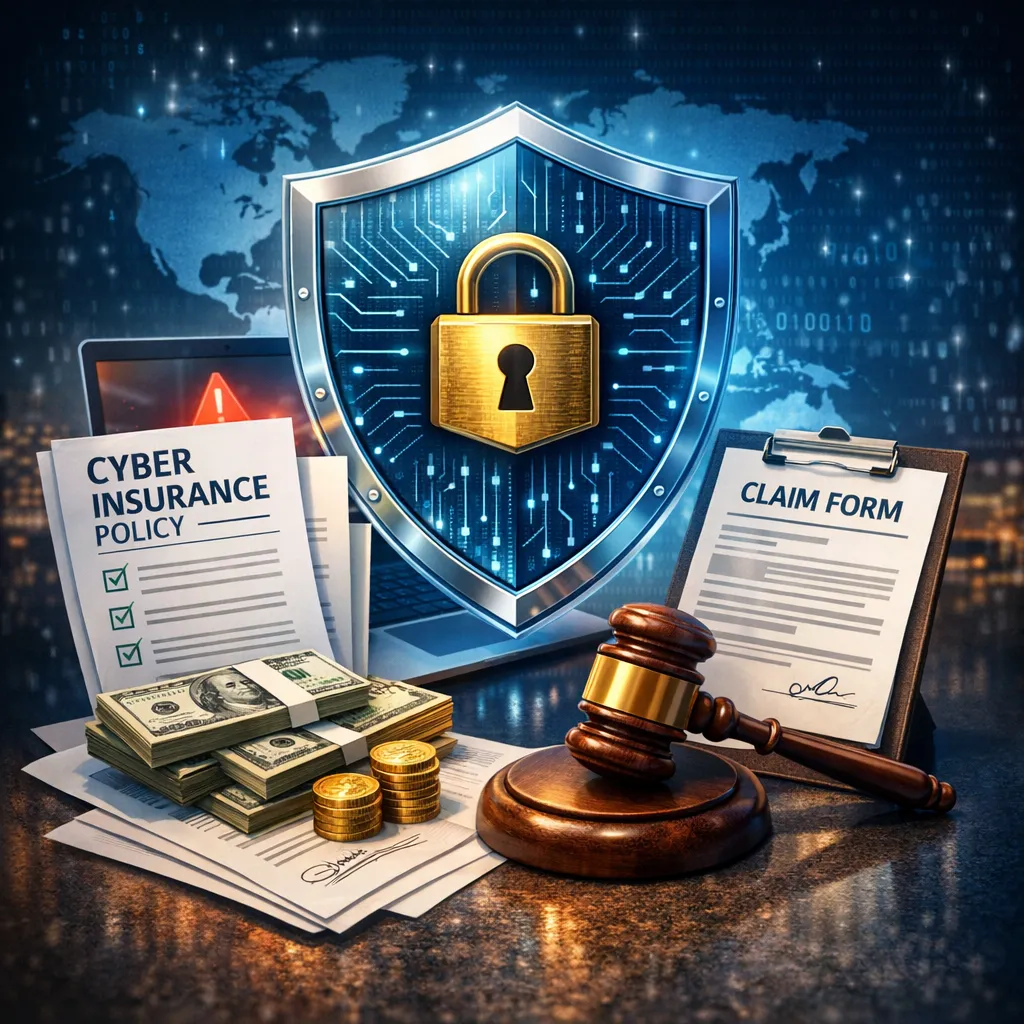
Cyber insurance is becoming more common for small and mid-sized businesses. But most business owners don’t really understand: what it covers what it doesn’t and what it requires from them That can become a problem when you actually need to use it. What Cyber Insurance Typically Covers Most cyber insurance policies are designed to help after a security incident. That can include: Incident response (forensics, investigation) Legal costs Notification requirements (if customer data is involved) Business interruption (lost revenue during downtime) Ransomware payments (in some cases) In short: Cyber...

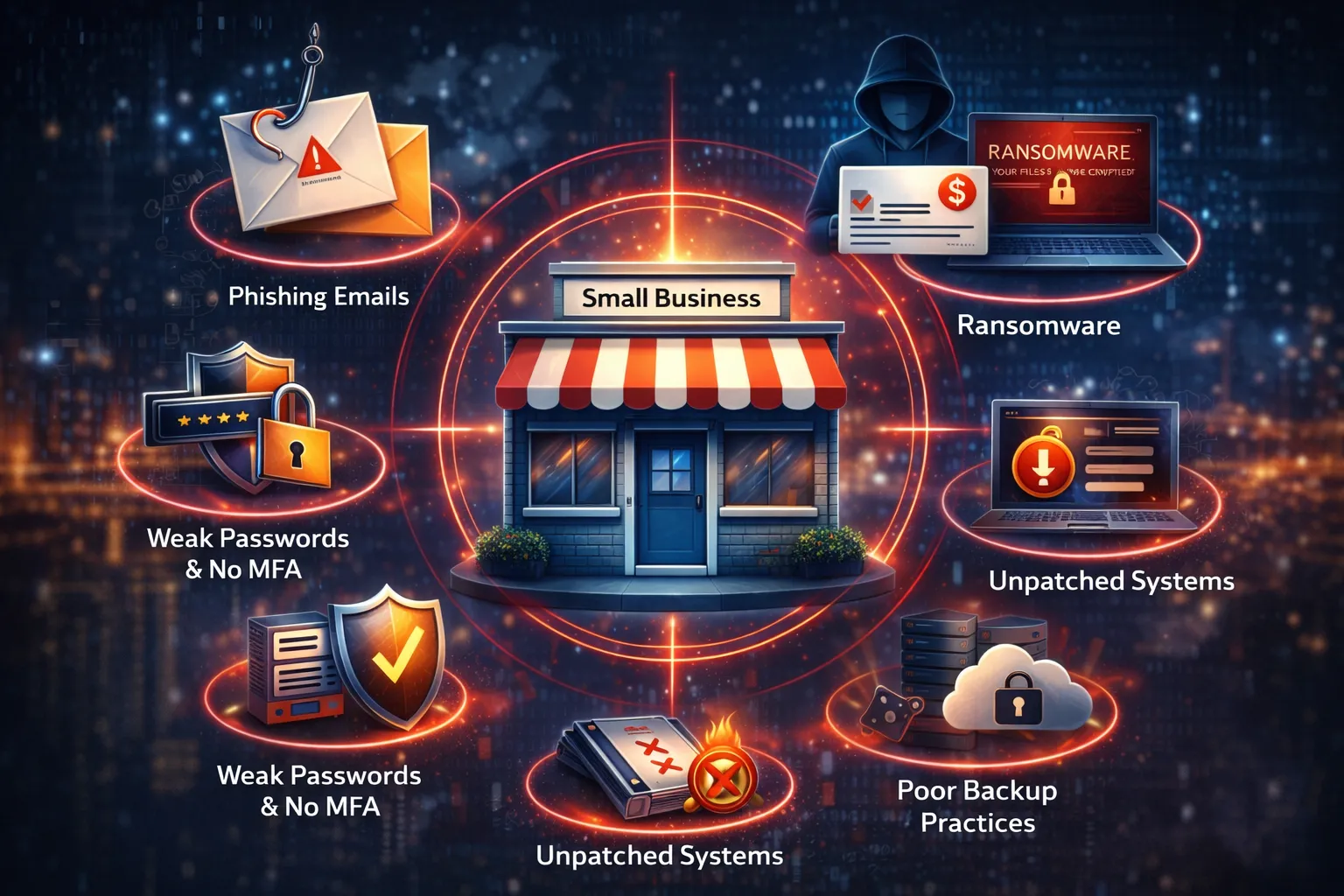
Common Cybersecurity Threats Small Businesses Face

When people think about cybersecurity threats, they often picture large companies being targeted by sophisticated attackers. In reality, small and mid-sized businesses are often easier targets. Not because they’re more valuable—but because they’re easier to break into. Here are some of the most common threats SMBs face today. 1. Phishing Emails Phishing is still the most common way attackers get in. These emails are designed to: trick users into clicking a link steal login credentials install malware They often look like: Microsoft 365 login alerts invoices from vendors messages from...

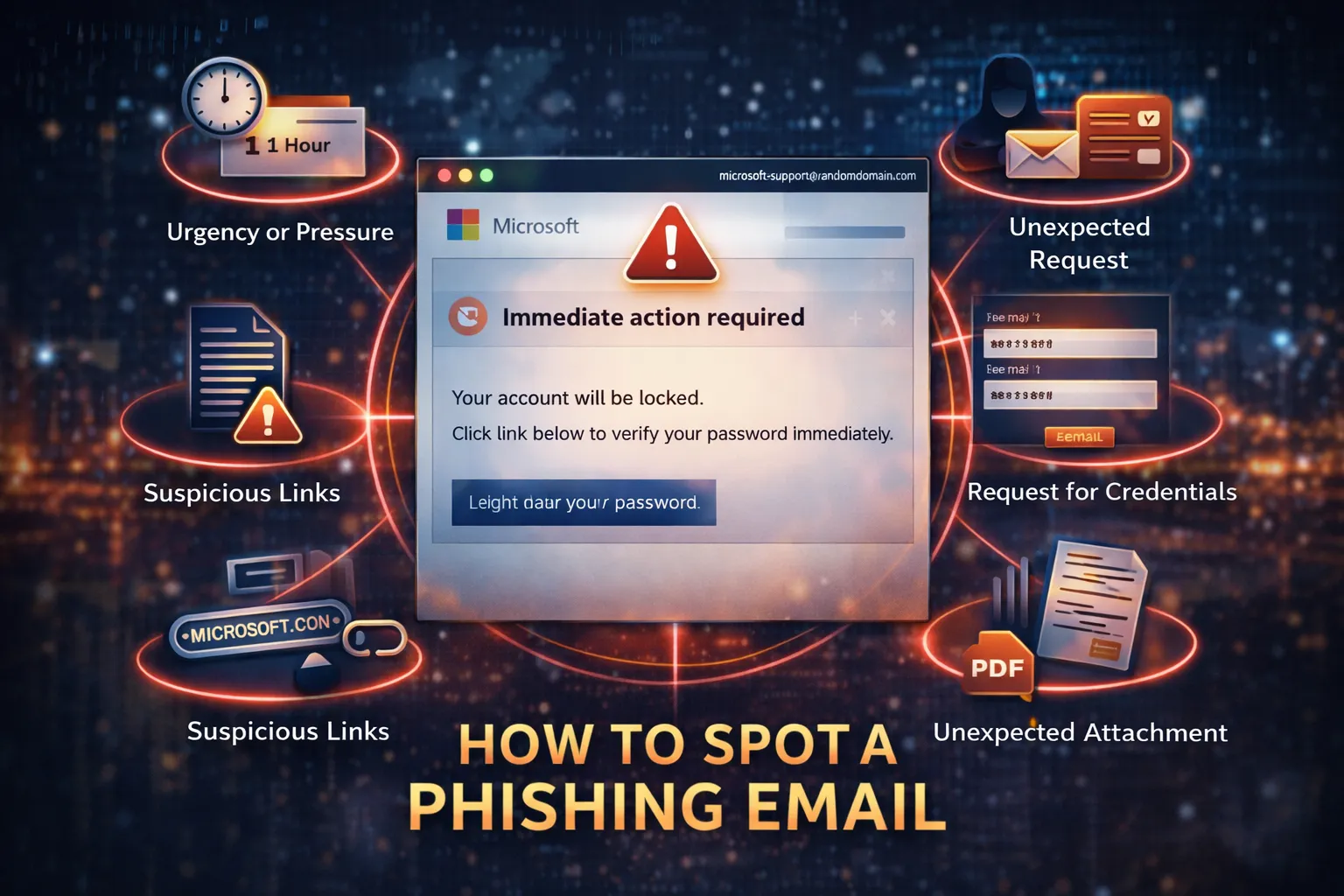
How to Spot a Phishing Email

Phishing emails are one of the most common ways attackers get into a business. They don’t rely on hacking systems—they rely on tricking people. The good news is most phishing emails have warning signs. You just need to know what to look for. What Is a Phishing Email? A phishing email is designed to: trick you into clicking a link get you to enter your password or convince you to take an action (like sending money) They often pretend to be: Microsoft or Google login alerts invoices or payment requests messages from coworkers or executives Common Signs of a Phishing Email 1. Urgency or Pressure...